
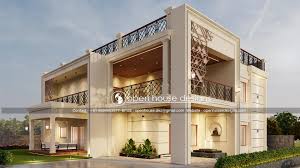
As design moves rapidly toward 2025 and beyond, the world of home architecture and interior design is evolving in exciting ways. From earthy color palettes and environmentally sustainable materials, to smart home integration and multifunctional spaces, today’s homes are designed to do more than just look good — they’re built to support modern life, comfort, and the planet.
Key Trending Features
- Earthy & Warm Color Palettes
The cool greys and whites that once dominated have given way to warmer tones — terracotta, olive green, sandy beige, and dusty rose are becoming favorites. They bring depth, calmness, and a natural feel to interiors. - Sustainable, Natural Materials
Designers are focusing on materials that are both beautiful and responsible — reclaimed wood, bamboo, natural stone, low-VOC paints, and fabrics made from sustainable sources. These choices reflect both style and ecological awareness. - Smart Home & Tech Integration
Homes are becoming more intuitive. Automation of lighting, climate control, security systems, and voice-activated appliances are now part of standard design thinking — and they’re being integrated discreetly so that technology supports rather than overwhelms the space. - Curves, Soft Forms & Organic Shapes
Rigid forms are softening. Rounded furniture, arches in architecture, soft edges, and fluid layouts are trending as people seek environments that feel more soothing and less industrial. - Multi-Functional Spaces & Flexibility
With many people working, living, and studying at home, design is adapting. Spaces now serve multiple functions — for example, a kitchen that doubles as a workspace, or living areas that transform easily with smart furniture, sliding partitions, and modular layouts. - Biophilic Design & Indoor-Outdoor Connection
Bringing nature inside remains a strong trend. Large windows, indoor plants, natural light, outdoor patios, and materials that reflect nature help connect the occupant to their environment and enhance wellbeing.
The latest home design trends are not solely about aesthetics — they embody how we live, what we value, and how we interact with our homes and environment. As we move into 2025, the focus shifts from purely visual style to holistic design. Homes are now designed to support wellbeing, adaptability, sustainability, and connection. The shift toward warm, natural palettes signals a desire for comfort and calm in our living spaces. The movement toward sustainable materials and smart technology shows a commitment to the future — for both ourselves and the planet. The adoption of curves and organic forms reflects our need for gentler, more human-centred spaces. The emphasis on multi-functional zones reveals that our homes are no longer single-use — living, working, relaxing, and entertaining all happen in the same place. And the growth of biophilic and indoor-outdoor design underscores our deep human craving for nature, even when we’re inside.
In this new era of home design, the smartest spaces are those that adapt — they respond to climate, lifestyle, technology, and emotion. They embrace change rather than resist it. Whether you are building new or renovating, keeping these trends in mind will help you create a home that is both current and timeless. Your design can rest on simple principles: choose materials that last, build spaces that flex, use technology that works for you, and design colors and forms that make you feel at ease. Ultimately, when a home is designed with intention, it goes beyond being just a structure — it becomes a sanctuary. In embracing these latest trends, you’re not just creating a house; you’re creating an environment that supports life, nurtures comfort, and honours the future.
