
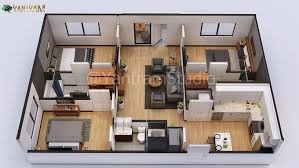
A residential floor plan is the blueprint of how a home is structured — showing the arrangement of rooms, spaces, doors, and windows. It is the foundation of every house design, helping homeowners visualize how their future home will function and flow. Whether it’s a single-story bungalow or a multi-level luxury home, a well-designed floor plan ensures comfort, efficiency, and aesthetic balance.
Architects and designers use floor plans to communicate ideas clearly to builders and clients. These layouts are not just technical drawings — they tell the story of how people will live, move, and connect within their homes.
Types of Residential Floor Plans
Single-Story Floor Plans – Ideal for simplicity and accessibility, suitable for families with children or elderly members.
Two-Story Floor Plans – Offer more space on smaller plots, separating living and sleeping areas.
Open-Concept Floor Plans – Combine kitchen, dining, and living spaces for a modern, spacious feel.
Split-Level Plans – Create unique elevation differences for style and functionality.
Luxury Floor Plans – Include high-end amenities such as walk-in closets, home theaters, and outdoor lounges.
Key Elements of a Good Floor Plan
- Efficient Space Use – Every square meter serves a purpose.
- Natural Lighting and Ventilation – Strategically placed windows and doors for airflow and brightness.
- Smooth Traffic Flow – Easy movement between rooms without congestion.
- Privacy and Noise Control – Bedrooms and offices positioned away from noisy areas.
- Future Flexibility – Space for expansion or remodeling.
Residential floor plans form the backbone of every successful home design. They determine not just how a house looks, but how it functions day to day. A good floor plan reflects a balance between beauty and practicality — creating a living environment that feels spacious, organized, and connected.
When developing modern residential floor plans, architects consider how families live and interact. Open layouts, for example, encourage social connection by merging living, dining, and kitchen areas into one continuous space. On the other hand, private zones like bedrooms, offices, or reading corners ensure personal comfort and quiet. This thoughtful zoning improves both lifestyle and privacy.
Lighting and ventilation are also vital in residential design. Natural light reduces energy use and enhances mood, while proper airflow keeps interiors healthy. By orienting rooms to capture sunlight and breeze, architects make homes more comfortable and sustainable.
Modern technology has transformed how residential floor plans are created and viewed. With digital tools and 3D modeling software, homeowners can now explore virtual tours of their spaces before construction begins. This allows for real-time changes, reducing costly revisions later. Digital planning also helps visualize interior design options — from furniture placement to color schemes.
Customization is another growing trend. Today’s homeowners prefer custom floor plans tailored to their lifestyles — whether it’s a home office for remote work, a gym, or a family entertainment area. Flexibility and personalization have become central to residential architecture.
Sustainability also plays a major role in modern floor planning. Eco-friendly layouts maximize natural light, minimize waste, and support energy-efficient living. Features like solar orientation, green roofs, and water-saving systems are often incorporated to reduce the environmental footprint of a home.
In summary, residential floor plans are more than just technical drawings; they are living blueprints that define how people experience home life. The best floor plans merge comfort, beauty, and innovation — turning architectural ideas into functional, welcoming spaces. Whether you’re designing a compact city apartment, a suburban family home, or a luxury villa, the right floor plan is the first step toward building your dream home — one that blends practicality with timeless design.
