
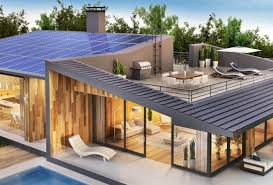
Sustainable house design architecture focuses on creating eco-friendly homes that minimize environmental impact while maximizing comfort, functionality, and energy efficiency. This architectural approach combines innovation, natural materials, and modern technology to achieve harmony between human living and the natural environment. Sustainable homes are not just about saving resources — they are about building a better future through conscious design choices that protect the planet.
Key Principles of Sustainable Architecture
- Energy Efficiency
Sustainable homes use renewable energy sources like solar panels and wind turbines, reducing dependency on fossil fuels. Proper insulation, natural ventilation, and smart lighting systems further cut energy consumption. - Eco-Friendly Materials
Architects favor renewable and locally sourced materials such as bamboo, reclaimed wood, and recycled steel, which lower carbon footprints and promote healthier indoor air quality. - Water Conservation
Modern sustainable designs integrate water-saving fixtures, greywater recycling systems, and rainwater harvesting solutions to ensure efficient water use. - Passive Design Strategies
By orienting the home to take advantage of natural light, heat, and wind, passive design techniques reduce reliance on artificial systems for heating and cooling. - Sustainable Landscaping
Incorporating native plants, green roofs, and vertical gardens enhances biodiversity while improving air quality and reducing urban heat.
Benefits of Sustainable House Design
- Lower Utility Costs: Energy-efficient homes significantly reduce long-term expenses.
- Healthier Living Environments: Natural materials and better ventilation improve indoor air quality.
- Environmental Protection: Less waste and pollution contribute to a cleaner planet.
- Increased Property Value: Eco-friendly homes are highly desirable in the modern housing market.
- Long-Term Durability: Sustainable materials often outperform conventional ones, ensuring lasting strength and performance.
Sustainable house design architecture is more than a passing trend — it’s a revolution in how we build, live, and interact with our environment. This architectural approach emphasizes creating homes that respect the planet while offering unparalleled comfort and functionality. As the world continues to face environmental challenges, sustainability in architecture has emerged as both a necessity and a responsibility, encouraging designers, builders, and homeowners to make eco-conscious choices.
The essence of sustainable design lies in its holistic approach. Every element, from the orientation of the house to the materials used, is thoughtfully selected to minimize waste and energy consumption. Natural lighting and ventilation reduce the need for artificial systems, while renewable energy sources like solar panels and wind turbines ensure homes operate efficiently. These strategies not only lower costs but also create living spaces that feel more connected to nature.
Equally important is the choice of materials. By prioritizing locally sourced, recycled, and renewable resources, sustainable architecture reduces the environmental strain caused by manufacturing and transportation. This shift also promotes healthier indoor environments, as eco-friendly materials are often free from harmful chemicals found in conventional construction.
Water conservation plays a vital role in sustainable home design. Systems for rainwater harvesting, greywater recycling, and smart irrigation help homeowners manage water use responsibly. Additionally, green roofs and native landscaping restore balance to local ecosystems, offering beauty and biodiversity in harmony with the built environment.
Technology enhances sustainability through smart home systems that monitor energy use, optimize temperature control, and manage lighting efficiently. These innovations ensure that sustainability doesn’t compromise convenience — instead, it elevates everyday living into a smarter, more mindful experience.
Ultimately, sustainable architecture is about designing homes that serve both people and the planet. It teaches us that true luxury lies not in excess but in balance — in creating spaces that nurture well-being while safeguarding natural resources for future generations. Whether you’re building a new home or renovating an old one, adopting sustainable design principles is an investment in a cleaner, healthier, and more resilient future.
In every sense, sustainable house design architecture represents the future of modern living — one that unites beauty, innovation, and environmental stewardship in perfect harmony.
