
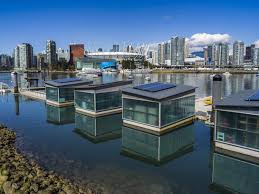
As the world continues to face environmental challenges, sustainable architecture designs are redefining how we build and live. Modern architects are focusing on creating structures that not only meet human needs but also protect the planet. Sustainability in architecture means designing buildings that minimize environmental impact through efficient energy use, renewable materials, and eco-friendly technologies — while promoting comfort, durability, and beauty.
- The Concept of Sustainable Architecture
Sustainable architecture emphasizes harmony between buildings and nature. It integrates design strategies that reduce energy consumption, lower carbon emissions, and enhance natural resource conservation. The goal is to achieve a balance between aesthetics, function, and ecological responsibility.
Architects achieve this through innovations such as passive solar design, natural ventilation, rainwater harvesting, and green roofing systems — all contributing to healthier living environments and reduced operational costs.
- Key Features of Sustainable Building Designs
Some of the most important features of sustainable architecture include:
- Energy Efficiency: Using solar panels, smart lighting, and insulation to reduce power usage.
- Eco-Friendly Materials: Incorporating recycled, renewable, or locally sourced materials like bamboo, rammed earth, and reclaimed wood.
- Water Conservation: Installing greywater systems and low-flow fixtures to minimize waste.
- Biophilic Design: Bringing nature indoors with living walls, indoor plants, and open-air spaces.
- Smart Technology Integration: Utilizing automation and monitoring systems for efficient energy management.
These elements work together to create buildings that are environmentally conscious and future-ready.
- Benefits of Sustainable Architecture
Beyond environmental advantages, sustainable architecture offers economic and social benefits. Green buildings often have lower utility bills, longer lifespans, and healthier indoor air quality. They also promote community well-being and inspire a culture of environmental responsibility.
Sustainable architecture designs are shaping the future of the built environment. In an age of rapid urbanization and climate change, architecture can no longer be about form and function alone — it must also reflect environmental stewardship and long-term resilience. The shift toward sustainability is not a passing trend; it is a vital evolution in how humanity interacts with its surroundings.
The essence of sustainable architecture lies in designing with nature, not against it. By embracing renewable materials, energy-efficient systems, and passive design principles, architects are reimagining buildings as living systems — structures that breathe, adapt, and contribute positively to the ecosystem. These designs reduce dependency on non-renewable resources, limit waste, and enhance human well-being.
Moreover, the financial advantages are undeniable. Although sustainable buildings may have higher initial costs, they provide significant long-term savings through reduced energy consumption, lower maintenance needs, and higher property value. This makes them both economically practical and environmentally sound investments.
Another key factor is the social impact. Sustainable design creates healthier, more comfortable living and working environments. Improved air quality, natural lighting, and access to green spaces enhance physical and mental well-being. When communities adopt eco-friendly architecture, they foster a sense of responsibility, encouraging future generations to value sustainability.
Globally, the movement toward sustainable architecture is gaining momentum. From solar-powered homes in Africa to energy-neutral skyscrapers in Europe, innovation is driving a new era of eco-conscious construction. Architects and developers are collaborating with environmental experts to create spaces that are both beautiful and regenerative — proving that sustainability and luxury can coexist.
Ultimately, sustainable architecture is about designing for life — not just for today, but for generations to come. It reminds us that buildings can be more than shelters; they can be solutions. By integrating sustainability into every stage of design and construction, we pave the way for a future where urban growth and environmental conservation go hand in hand.
In the end, sustainable architecture is not merely an option — it is the foundation of a better, greener, and more balanced world.
