
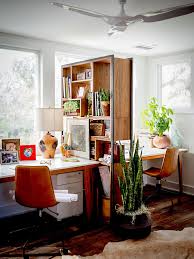
Designing a small home can be both exciting and challenging. With limited space, every inch matters — and smart planning becomes the key to creating a functional, comfortable, and visually appealing living environment. Small home space planning focuses on making the most of available areas through creative layouts, efficient storage, and thoughtful design choices that balance practicality with beauty.
Modern architects and interior designers are proving that compact homes can feel just as luxurious and spacious as larger ones — with the right plan, the right furniture, and the right mindset.
- Open-Plan Living
Open floor plans are the heart of modern small home design. By removing unnecessary walls and barriers, you can create a fluid, airy space that feels much larger than it actually is. Combining the kitchen, dining, and living areas allows natural light to travel freely, enhancing both functionality and aesthetics.
Use furniture like sofas and shelving units as subtle dividers, helping maintain openness while defining different zones.
- Smart Storage Solutions
Every small home needs clever storage to reduce clutter. Think of built-in cabinets, under-bed drawers, wall shelves, and multi-purpose furniture such as ottoman seats with hidden compartments. Vertical storage maximizes unused wall areas and keeps floors clear, giving rooms a more spacious feel.
- Multi-Functional Furniture
Furniture plays a huge role in efficient space planning. Choose foldable tables, sofa beds, or convertible desks that serve more than one purpose. For example, a dining table can double as a work desk, while a wall-mounted bed saves floor space during the day.
- Use of Light and Color
Natural and artificial lighting significantly influence how a space feels. Soft, neutral colors like white, beige, and light gray help reflect light and open up small rooms. Adding mirrors enhances brightness and creates an illusion of depth.
Small home space planning is more than just arranging furniture — it’s about creating harmony, efficiency, and comfort within limited square footage. With urban spaces shrinking and property prices rising, many homeowners are embracing smaller homes that are easier to maintain, cost-effective, and environmentally friendly.
The success of small home design lies in planning. Every design choice — from layout to furniture selection — should serve a clear purpose. Open layouts encourage connection and natural flow, while built-in or multipurpose furniture ensures that no area goes unused. This approach makes compact living not only practical but also stylish and modern.
Another powerful strategy in small home planning is vertical design. Utilizing wall height for shelves, loft beds, and tall cabinets creates more room for movement. It allows homeowners to enjoy comfort without compromising on storage. Mirrors, glass partitions, and large windows further amplify openness and bring in natural light — an essential ingredient in small-space design.
Color selection also plays a psychological role. Lighter tones expand the visual space, while darker accents can add warmth and depth when used sparingly. Pairing neutral colors with textured fabrics, plants, or minimalist décor gives a balanced, welcoming atmosphere.
Moreover, smart home technology is revolutionizing small-space living. From foldable kitchen systems to automated lighting and climate control, tech-based solutions make compact homes more adaptable to modern lifestyles. With proper planning, even a 400-square-foot home can feel open, organized, and beautiful.
Ultimately, small home space planning teaches us that good design isn’t about size — it’s about creativity, functionality, and intention. When every element is carefully planned and placed, small homes can offer big comfort and timeless style. Whether you live in an apartment, studio, or compact bungalow, a well-thought-out plan can transform your home into a space that feels expansive, organized, and uniquely yours.
In today’s world, where efficiency and sustainability matter most, small homes represent smart living — spaces that celebrate simplicity, purpose, and beauty in every corner.
