
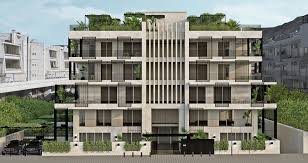
A residential concept design is the initial stage in designing a home, where architects explore different ideas to create spaces that are beautiful, functional, and tailored to the client’s needs. It involves translating the client’s lifestyle, budget, and site conditions into visual and structural possibilities.
This stage includes sketches, floor plans, 3D renderings, and mood boards that help visualize the proposed layout, lighting, circulation, and exterior form. It sets the direction for detailed design and construction documentation that follows.
Key Elements of Residential Concept Design
- Site Analysis:
The process begins by studying the site’s orientation, topography, and environmental factors. This ensures the design maximizes natural light, ventilation, and scenic views. - Spatial Planning:
Architects organize spaces based on use, flow, and privacy. Living areas, bedrooms, kitchens, and service zones are strategically arranged for comfort and efficiency. - Architectural Style:
The concept defines whether the design will follow a modern, contemporary, minimalist, or traditional approach — influencing materials, finishes, and overall form. - Sustainability:
Eco-friendly principles such as passive design, renewable materials, and energy-efficient systems are integrated from the start to promote long-term sustainability. - Aesthetic Vision:
Every concept design captures the mood, theme, and character of the home, balancing beauty with practicality.
The concept design phase is the creative heart of residential architecture — the moment when imagination and practicality meet. A strong concept design forms the blueprint for all decisions that follow, influencing everything from structure and materials to user experience and energy performance. It’s the stage where the essence of “home” is born, not just as a physical space, but as a reflection of lifestyle, comfort, and personal identity.
What makes residential concept design so important is its ability to unify vision and function. Through careful site analysis, spatial arrangement, and stylistic direction, architects ensure that every design responds naturally to its environment while meeting the unique needs of its occupants. A home designed with thoughtful concept planning feels cohesive — every room has a purpose, every view is intentional, and every feature contributes to comfort and sustainability.
In today’s world, residential concept design also embraces technology and environmental responsibility. With advanced design software, 3D visualization, and BIM modeling, architects can experiment freely and refine ideas before construction begins. Meanwhile, sustainable choices — such as solar orientation, natural ventilation, and green materials — are integrated from the conceptual stage, reducing long-term costs and environmental impact.
Beyond the technical aspects, concept design represents creativity and emotional connection. It captures how homeowners envision their dream space — open, intimate, modern, or nature-inspired. This human-centered approach ensures that design goes beyond structure to create an atmosphere of belonging and well-being.
Ultimately, a well-developed residential concept design provides clarity, direction, and inspiration. It bridges the gap between ideas and reality, transforming dreams into tangible architectural experiences. Whether it’s a compact city apartment, a suburban family home, or a luxury villa, the concept design defines the project’s soul.
In essence, the success of any residential building begins with a powerful concept — one that harmonizes aesthetics, sustainability, and lifestyle. It’s not just about walls and roofs, but about creating living spaces that tell a story, connect people to place, and stand the test of time. Through thoughtful concept design, architecture becomes more than construction — it becomes a vision brought beautifully to life.
