
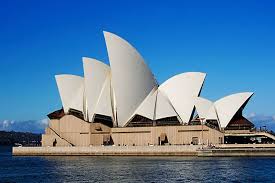
Modern architecture in Australia beautifully blends innovative design with the country’s unique climate, landscape, and lifestyle. Australian architects have mastered the art of merging contemporary aesthetics with environmental sustainability, resulting in homes and buildings that are as functional as they are visually stunning. From urban skyscrapers to coastal retreats and outback residences, modern Australian architecture is known for its simplicity, openness, and strong connection to nature.
Key Features of Modern Australian Architecture
The foundation of modern Australian design lies in open-plan layouts, seamless indoor-outdoor living, and the use of natural materials. Large windows, glass walls, and sliding doors allow for maximum light penetration and airflow, creating a fluid connection between interior and exterior spaces. Timber, concrete, and stone are often combined with minimalist lines and neutral color palettes, reflecting both modern sophistication and environmental harmony.
Another defining characteristic is climate responsiveness. Architects in Australia prioritize passive design principles — maximizing natural light, ventilation, and shade to minimize energy consumption. Homes are designed to adapt to the country’s diverse conditions, from tropical heat in Queensland to cooler climates in Victoria.
Architectural Styles and Influences
Modern Australian architecture draws inspiration from global design movements while maintaining a distinct regional identity. Influences of Scandinavian minimalism, Japanese simplicity, and mid-century modern design are evident in many projects. However, architects also emphasize the integration of local materials and indigenous design elements, making each structure uniquely Australian.
The rise of sustainable and smart home technologies has further transformed the Australian architectural landscape. Solar panels, rainwater systems, and energy-efficient materials are now standard in many contemporary builds, ensuring that modern homes are not only stylish but also eco-conscious.
Modern architecture in Australia represents the perfect synergy between innovation, sustainability, and lifestyle. It is not just about building structures — it’s about creating environments that enhance comfort, promote wellbeing, and harmonize with nature. Australian architects have redefined modern living by embracing design philosophies that celebrate simplicity, functionality, and environmental awareness.
One of the most remarkable aspects of Australian architecture is its responsiveness to climate and context. Designs vary from open coastal homes that capture ocean breezes to urban dwellings that maximize limited space without compromising comfort. Every structure is a thoughtful response to its surroundings — a reflection of how Australians live, interact, and connect with their environment.
Modern architecture in Australia also champions the use of sustainable materials and energy-efficient systems. This commitment to green design not only reduces environmental impact but also ensures long-term affordability and durability. It is architecture that looks forward — innovative, adaptable, and conscious of future generations.
Equally important is the celebration of individuality. Today’s Australian homes are tailored to reflect the personal style and lifestyle of their owners. Whether it’s a minimalist city apartment, a luxurious villa overlooking the beach, or a rustic yet modern countryside home, each design tells a story of balance — between form and function, luxury and simplicity, technology and tradition.
Ultimately, modern Australian architecture stands as a testament to the nation’s creative spirit and deep respect for nature. It pushes boundaries while preserving authenticity, transforming ordinary spaces into inspiring works of art. For anyone seeking to build or renovate in Australia, embracing modern architectural design means investing in beauty, sustainability, and a lifestyle that truly reflects the essence of contemporary Australia — open, innovative, and deeply connected to its natural surroundings.
