
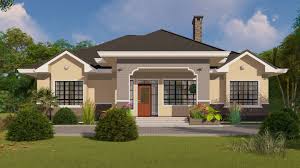
Modern African home design has evolved into a powerful blend of tradition, innovation, and sustainability. Across the continent, architects and homeowners are embracing designs that honor African heritage while incorporating contemporary aesthetics and smart technologies. From Nairobi to Lagos, Cape Town to Accra, modern African homes represent a new architectural movement that celebrates both identity and progress.
Blending Tradition with Modern Innovation
One of the most defining features of modern African home design is its ability to merge traditional architectural elements with modern construction techniques. Designers skillfully integrate natural materials like wood, stone, clay, and thatch into sleek, minimalist structures. The result is a home that feels warm, authentic, and connected to the environment.
Large windows, open layouts, and shaded outdoor areas are common features, allowing for natural light and ventilation—essential for Africa’s diverse climates. These homes are designed to balance beauty with practicality, providing comfortable spaces that reflect the rhythm of African living while keeping energy efficiency in mind.
Sustainability and Smart Living
Sustainability lies at the heart of modern African architecture. Designers increasingly use eco-friendly materials, solar power, water harvesting systems, and energy-efficient designs to promote green living. The goal is to create self-sufficient homes that reduce environmental impact while maintaining luxury and comfort.
Technology also plays an important role. Smart home systems for lighting, security, and temperature control are being integrated into modern African homes, offering convenience and safety while maintaining aesthetic appeal.
The transformation of modern African home design symbolizes the continent’s growing confidence, creativity, and innovation in architecture. It marks a departure from purely imported styles and a return to designing homes that truly reflect Africa’s people, landscapes, and cultures. Modern African homes stand as a celebration of identity—where tradition meets technology, and nature blends seamlessly with luxury.
At its core, this design philosophy focuses on harmony and sustainability. Architects are redefining what luxury means by emphasizing comfort, function, and environmental awareness rather than excess. Homes are now being built with locally sourced materials, using passive cooling and natural lighting to reduce energy consumption. This approach not only preserves cultural authenticity but also supports local economies and artisans, making every project uniquely African.
Another defining aspect of modern African home design is its emphasis on indoor-outdoor living. Patios, courtyards, and open verandas create a fluid connection between the house and nature. This reflects Africa’s warm climate and love for communal spaces, where families can gather, relax, and share moments. The balance between privacy and openness gives these homes a timeless charm that resonates with both local and international admirers.
Technology has further elevated design possibilities. Through 3D modeling, CAD drawings, and virtual visualization, homeowners can now experience their dream homes before construction begins. This integration of technology ensures precision and allows for customization, ensuring that every space reflects the homeowner’s personality and lifestyle.
Culturally, modern African homes are infused with creativity. Designers draw inspiration from African patterns, textures, and colors, reimagining them in modern ways. The result is architecture that feels contemporary yet deeply rooted in heritage—a reflection of Africa’s soul expressed through walls, light, and form.
In conclusion, modern African home design is more than a trend—it’s a movement that celebrates the continent’s past while embracing the future. It combines innovation, sustainability, and cultural pride to create homes that inspire and endure. Whether it’s a minimalist villa in Kenya, an eco-retreat in Ghana, or a smart home in South Africa, modern African architecture continues to redefine beauty, purpose, and identity. It represents not only how Africans build but also how they live—boldly, sustainably, and authentically.
