
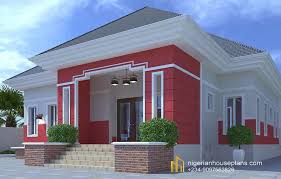
The Nigerian housing market has experienced a rapid transformation over the past decade, driven by urbanization, innovation, and a growing middle class. Today’s homeowners and developers are seeking modern, efficient, and affordable home plans that reflect Nigeria’s lifestyle, climate, and cultural values. From Lagos to Abuja and Port Harcourt, architecture in Nigeria is embracing functionality, sustainability, and beauty, creating homes that meet the needs of diverse families and communities.
Trends in Nigerian Home Design
Modern home plans in Nigeria emphasize space optimization, energy efficiency, and cost-effectiveness. Whether it’s a single-family bungalow, a duplex, or a luxury mansion, architects are designing layouts that maximize land use and provide comfort in both urban and rural environments. Open floor concepts, large windows, and multifunctional living areas are increasingly popular, allowing for better airflow and natural light, crucial for Nigeria’s warm climate.
Additionally, Nigerian homeowners are investing in smart home features such as automated lighting, solar panels, and security systems. These technologies not only improve convenience but also reduce long-term energy costs, making them attractive to forward-thinking homeowners.
Affordable Yet Stylish Designs
Affordability remains a key concern for most Nigerians, especially first-time homeowners. To meet this need, local architects and design companies now offer readymade house plan downloads and customizable blueprints. These plans include one-, two-, three-, and four-bedroom homes, allowing individuals to select designs that suit their budget and lifestyle.
Builders are also embracing locally sourced materials such as bricks, bamboo, and laterite, which reduce construction costs while supporting sustainable building practices.
The evolution of home plans for the Nigerian market reflects a new era of architectural creativity, functionality, and sustainability. Nigeria’s real estate landscape is rapidly shifting from conventional to contemporary design approaches that prioritize both comfort and affordability. This shift demonstrates the resilience and adaptability of Nigerian architects and developers who continuously innovate to meet the growing housing demands of a diverse population.
One of the most remarkable aspects of Nigerian home plans today is their focus on practicality and local relevance. Designers understand the unique environmental conditions and lifestyle needs of Nigerians — from accommodating large families to creating secure, energy-efficient homes that withstand heat and humidity. As a result, today’s home plans combine modern design principles with locally inspired aesthetics, producing structures that are not only functional but also culturally meaningful.
Moreover, technology has revolutionized how Nigerians access and customize home designs. Through online architectural platforms, homeowners can now browse and download ready-to-build plans in PDF or CAD format. This accessibility has empowered individuals to take control of their building projects, ensuring transparency, cost savings, and flexibility.
Urbanization has also played a major role in shaping the housing market. With limited land in major cities like Lagos and Abuja, duplexes and multi-unit homes have become popular solutions for maximizing space. In contrast, suburban and rural areas are seeing growth in bungalow-style homes that emphasize comfort, family connection, and outdoor living.
Sustainability is another defining trend in Nigerian home planning. Architects are incorporating renewable energy systems, efficient water management, and green materials to reduce environmental impact. These innovations not only promote responsible living but also lower long-term maintenance costs for homeowners.
In conclusion, the Nigerian housing market stands at the crossroads of tradition and modernity. The future of Nigerian home design lies in its ability to balance innovation, cultural identity, and affordability. Whether you’re planning a small family house or a luxury estate, the availability of modern, well-structured home plans ensures that every Nigerian can find, or design, a space that feels uniquely theirs. The continued rise of architectural creativity in Nigeria promises homes that are not only built to last but also built to inspire.
