
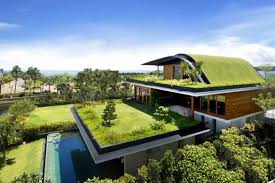
In today’s world, where environmental awareness is more important than ever, eco-friendly residential architecture has emerged as a leading movement in modern home design. It represents a thoughtful approach to construction — one that minimizes environmental impact, reduces energy consumption, and enhances the overall quality of life. Eco-friendly homes are no longer just a trend; they are the future of sustainable living, blending beauty, comfort, and responsibility into every design decision.
- What Is Eco-Friendly Residential Architecture?
Eco-friendly residential architecture focuses on creating homes that are energy-efficient, environmentally conscious, and in harmony with nature. These designs integrate sustainable materials, smart energy systems, and passive design strategies to reduce waste and carbon emissions. The goal is to achieve long-term sustainability — where homes not only serve their inhabitants but also protect the planet for generations to come.
From solar-powered rooftops to natural ventilation systems and green landscaping, every feature contributes to a holistic vision of responsible living.
- Key Features of Eco-Friendly Homes
Some essential elements of eco-friendly architecture include:
- Energy Efficiency: Solar panels, LED lighting, and insulated windows to reduce energy use.
- Sustainable Materials: Recycled wood, bamboo, clay bricks, and other renewable resources.
- Water Conservation: Rainwater harvesting and greywater recycling systems.
- Natural Ventilation & Lighting: Design layouts that reduce dependency on artificial systems.
- Smart Home Technology: Automated systems for lighting, heating, and energy monitoring.
Each design choice helps create a home that is functional, stylish, and environmentally responsible.
- Benefits of Eco-Friendly Architecture
Eco-friendly homes save homeowners money in the long run through reduced utility costs and maintenance needs. They promote healthier living environments, lower environmental impact, and often qualify for green building certifications — making them both practical and prestigious.
Eco-friendly residential architecture stands at the intersection of innovation, responsibility, and design excellence. As the world faces increasing climate challenges, the way we build our homes has never been more significant. Sustainable residential architecture offers a solution that benefits not only homeowners but also the planet as a whole. It redefines the meaning of home — transforming it from a place of shelter into a model of environmental harmony and modern efficiency.
At its heart, eco-friendly architecture is about balance — between nature and human needs, technology and tradition, luxury and sustainability. By adopting green building techniques, architects and homeowners are making conscious decisions that reduce energy waste, preserve natural resources, and minimize carbon footprints. Whether it’s a solar-powered villa or a small bamboo cottage, each eco-conscious design contributes to a cleaner, healthier planet.
Financially, the rewards are just as compelling. While sustainable construction may require higher upfront investment, it provides long-term economic benefits through energy savings, government incentives, and increased property value. More importantly, these homes promote healthier lifestyles, with improved air quality, natural lighting, and toxin-free materials that enhance physical and mental well-being.
Beyond individual benefits, eco-friendly residential architecture is shaping communities that value environmental awareness. Green neighborhoods with sustainable homes create shared responsibility — inspiring others to follow suit and pushing society toward a greener, more resilient future. In cities and rural areas alike, eco-friendly architecture is proving that sustainable living can be both beautiful and attainable.
The global shift toward sustainability is not a passing phase; it’s a movement that defines the future of construction. With growing innovation in materials, renewable energy, and smart design, eco-friendly homes are becoming more accessible to everyone. They represent not only a design preference but a moral commitment — one that acknowledges our duty to protect the Earth.
In conclusion, eco-friendly residential architecture is more than just a design approach — it’s a lifestyle philosophy. It teaches us that true comfort comes not from excess but from balance, and true beauty lies in harmony with nature. As we continue to innovate, adapt, and build, we carry with us the promise of a more sustainable, livable, and responsible world — one home at a time.
