
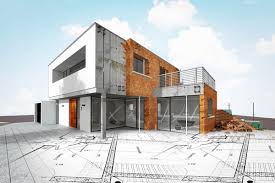
Every homeowner dreams of a space that reflects their lifestyle, personality, and aspirations. Dream home concept plans provide a roadmap to turn these visions into reality. They are detailed design layouts that combine architectural innovation, interior styling, and practical functionality to create homes that are both beautiful and livable.
What Are Dream Home Concept Plans?
Dream home concept plans are preliminary architectural designs that outline the layout, structure, and aesthetic direction of a proposed home. They include floor plans, 3D visualizations, and sometimes interior concepts that allow homeowners to explore their ideas before construction begins. These plans serve as a blueprint for architects, builders, and interior designers, ensuring every detail aligns with the client’s vision.
Key Features of Dream Home Concept Plans
- Customizable Layouts: Tailored designs based on family size, lifestyle, and preferences.
- Architectural Innovation: Modern, contemporary, or traditional design elements incorporated creatively.
- 3D Visualizations: Realistic renderings to help homeowners visualize their future space.
- Functional Flow: Optimized room placement, circulation, and connectivity.
- Sustainable Design: Energy-efficient layouts, natural lighting, and environmentally friendly materials.
Benefits of Dream Home Concept Plans
- Visualization: Allows clients to “see” their dream home before construction begins.
- Cost Efficiency: Reduces costly changes by planning layouts and materials.
- Better Decision-Making: Enables informed choices about space utilization and aesthetics.
- Time-Saving: Streamlines the construction process by providing a clear roadmap.
- Personalization: Every detail can be adjusted to match client preferences and lifestyle needs.
Dream home concept plans are the foundation of any successful residential project. They bridge the gap between imagination and reality, allowing homeowners to explore, refine, and perfect their ideas before a single brick is laid. By translating abstract concepts into tangible designs, these plans provide clarity, confidence, and direction for both clients and architects.
At the heart of a dream home concept plan is personalization. Every family has unique needs, from the number of bedrooms and bathrooms to outdoor spaces, entertainment areas, and functional zones like home offices or gyms. A professional concept plan takes these requirements into account, ensuring that the final home not only looks stunning but also enhances everyday living. The process emphasizes flexibility, allowing for modifications to accommodate evolving preferences or lifestyle changes.
Another significant advantage is visualization. 3D renderings and floor plans allow homeowners to experience their future space realistically. From understanding spatial flow to experimenting with lighting, materials, and finishes, these visual tools make it easier to make informed decisions. They also serve as a communication bridge between homeowners, architects, and builders, minimizing misunderstandings and reducing errors during construction.
Efficiency and cost-effectiveness are additional benefits. By planning layouts, materials, and structural elements in advance, homeowners can avoid costly modifications during construction. This proactive approach saves both time and money while ensuring the project adheres to budget and timeline constraints. Furthermore, integrating sustainable and energy-efficient design principles within the concept plan ensures long-term savings and environmental responsibility.
Dream home concept plans also foster creativity and innovation. Architects can experiment with modern, minimalist, or traditional designs while maintaining functionality and structural integrity. This results in a home that is not only aesthetically pleasing but also practical, adaptable, and timeless.
Ultimately, dream home concept plans empower homeowners to bring their visions to life with confidence, clarity, and precision. They transform abstract ideas into actionable designs, ensuring that every detail — from the overall layout to the smallest finishing touch — aligns with the client’s lifestyle and aspirations. In essence, these plans are more than architectural drawings; they are the blueprint for creating a home that inspires, comforts, and endures — a true dream home realized.
