
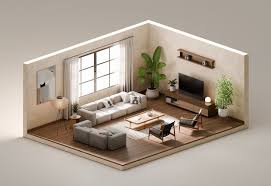
In modern architecture, 3D modeling has changed how buildings are designed, presented, and built. Unlike traditional 2D blueprints, architectural 3D models bring projects to life with depth, detail, and realism. Whether you are an architect, interior designer, or homeowner, 3D modeling helps you visualize the final structure before construction even begins.
With 3D modeling, ideas move from sketches to interactive digital spaces, allowing clients to see how their future homes, offices, or buildings will actually look. This technology bridges creativity and practicality, helping to reduce errors, improve design accuracy, and enhance communication between designers and clients.
Why Architectural 3D Modeling Matters
Architectural 3D modeling has become an essential part of modern design and construction for several reasons:
- Realistic Visualization: It gives a clear, lifelike view of the finished project.
- Improved Accuracy: Every element, from wall height to lighting, is precisely designed.
- Better Communication: Clients and builders can easily understand complex designs.
- Fewer Mistakes: Visualizing early helps detect design issues before construction starts.
- Enhanced Marketing: Real estate developers use 3D renders to attract buyers with realistic visuals.
3D models save time, reduce costs, and ensure smoother project execution from start to finish.
Architectural 3D modeling has completely transformed how architects and clients approach design and construction. It has replaced the limitations of flat drawings with interactive, realistic representations that make design ideas easier to understand and modify. By turning blueprints into lifelike visuals, 3D modeling empowers everyone involved in the project to make better decisions and see what the outcome will look like, long before a single brick is laid.
The power of 3D modeling lies in its ability to bridge imagination and reality. Instead of trying to interpret complex 2D plans, clients can walk through virtual models, explore spaces from different angles, and experience the design in full scale. This visualization helps identify design flaws early, saving time, materials, and money during construction. It also ensures that the finished project matches the client’s expectations perfectly.
For architects and designers, 3D modeling enhances creativity. It allows them to experiment with shapes, materials, lighting, and textures in ways that traditional methods cannot. They can instantly see how a change in window size affects lighting or how a specific wall color impacts the overall mood of a room. These details create more thoughtful, efficient, and visually appealing spaces.
From a business perspective, 3D models have become a powerful marketing and presentation tool. Developers and real estate companies use them to showcase properties before construction, giving potential buyers a realistic idea of what to expect. This not only builds trust but also speeds up sales. In addition, contractors benefit from having precise digital models that guide the construction process, reducing errors and improving coordination across teams.
The versatility of 3D modeling also extends beyond buildings. It’s used in landscape design, urban planning, and even furniture layout visualization. Every aspect of a project can be modeled and adjusted digitally, ensuring the final design is both functional and beautiful.
In today’s world, architectural 3D modeling isn’t just a design trend; it’s a necessity. It combines art, technology, and precision to create homes, offices, and public spaces that are visually stunning and structurally sound. For anyone planning to build, renovate, or present a project, 3D modeling is the key to turning ideas into reality with confidence and clarity.
