
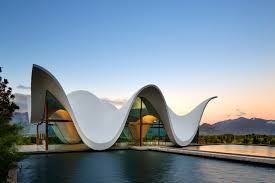
African modern architecture is a dynamic fusion of tradition, innovation, and sustainability. Across the continent, architects are redefining design by blending cultural heritage with modern techniques to create spaces that reflect Africa’s unique identity and environment. This architectural evolution showcases how modern Africa is embracing contemporary design while staying deeply rooted in its traditional values and local context.
A Blend of Culture and Modernity
Unlike Western architectural styles that often prioritize minimalism and uniformity, African modern architecture celebrates diversity, texture, and cultural symbolism. Each region offers a distinct design language influenced by its climate, materials, and heritage. Architects are incorporating elements such as courtyards, natural ventilation, and local materials, like stone, clay, and timber, to create structures that are both visually appealing and environmentally efficient.
From Nairobi’s sleek commercial towers to Lagos’s innovative residential homes and Cape Town’s eco-lodges, the modern African skyline reflects a creative balance between functionality and cultural storytelling.
Sustainability and Local Materials
Sustainability lies at the heart of African modern architecture. With increasing awareness of climate change, architects are turning to eco-friendly design practices that minimize energy use and environmental impact. Passive cooling, solar energy, and rainwater harvesting are common features in new African buildings.
Moreover, the use of locally available materials not only reduces construction costs but also supports local economies and maintains cultural authenticity. By combining traditional building techniques with modern engineering, African architects are achieving designs that are sustainable, affordable, and timeless.
Influence of Technology
Technology has played a major role in transforming African architecture. Advanced tools like Computer-Aided Design (CAD) and 3D visualization allow architects to experiment with innovative structures and simulate real-world conditions. This has improved precision, efficiency, and creativity, giving rise to bold architectural statements that rival global standards.
African modern architecture represents more than just the evolution of design; it is a reflection of the continent’s growth, resilience, and identity. The modern African architect is both an innovator and a storyteller, using design to bridge the past and the future. Through this creative blend, Africa is producing architectural masterpieces that are globally recognized yet locally inspired.
At its core, African architecture celebrates community, climate, and culture. The integration of open courtyards, shaded verandas, and natural airflow ensures comfort in diverse weather conditions. Homes and public buildings are designed not only for beauty but also for sustainability, respecting nature while embracing modern living standards.
Urban centers like Nairobi, Johannesburg, Accra, and Addis Ababa are becoming hubs for architectural innovation. Landmark projects such as eco-resorts, smart residential complexes, and mixed-use towers demonstrate how design can foster economic development and social harmony. Many architects are also exploring the potential of vernacular architecture, adapting traditional methods to modern technology for affordable housing solutions across Africa.
In addition, the rise of digital tools and global collaboration has allowed African architects to showcase their work internationally. Architectural education and professional networks are growing, encouraging young designers to embrace innovation while maintaining a strong African identity. This has resulted in a new wave of architecture that is bold, responsible, and globally competitive.
Another defining element of African modern architecture is its focus on sustainability and self-sufficiency. Solar panels, recycled materials, and energy-efficient systems are becoming standard features, promoting green building practices that align with global environmental goals. The emphasis on using local materials like bamboo, clay, and stone reduces dependence on imports while enhancing the beauty of natural textures.
In conclusion, African modern architecture is not just shaping cities; it’s shaping a vision for a sustainable, inclusive, and culturally rich future. By embracing modernity without abandoning tradition, African architects are proving that the continent can lead in innovation while honoring its roots. The result is an inspiring architectural movement that captures the true spirit of Africa: creative, resilient, and forward-looking.
