
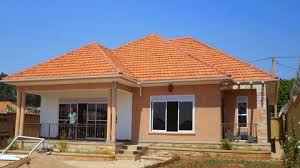
African house design ideas blend culture, creativity, and nature into living spaces that feel both authentic and inspiring. Across the continent, traditional architecture meets modern innovation — producing homes that are functional, sustainable, and visually stunning. African design reflects diversity, drawing influence from vibrant colors, natural materials, and regional craftsmanship. Whether in rural settings or bustling cities, African homes embody a strong sense of identity and connection to the environment.
Key Elements of African Home Design
African house design often emphasizes the use of local materials such as clay, wood, stone, and thatch, which not only keep homes cool but also complement the natural landscape. Earthy tones dominate interiors and exteriors alike, creating warm and welcoming spaces. Open-plan layouts, shaded verandas, and high ceilings allow natural ventilation, making homes comfortable even in warmer climates.
Many modern African homes integrate traditional influences with contemporary design. For instance, a modern bungalow may feature sleek glass panels paired with handcrafted wooden doors or woven accents. Courtyards and gardens are also integral, providing spaces for relaxation, gatherings, and cultural activities.
Modern African Design Trends
Modern African house design is evolving with new technologies and architectural innovations. Designers now combine minimalism with ethnic patterns, geometric art, and sustainable materials to create homes that are both stylish and environmentally responsible. Large windows, solar panels, and rainwater harvesting systems are common in eco-friendly builds, while vibrant textiles and handcrafted décor add cultural depth.
From luxury villas in Nairobi to compact homes in Accra, African house design embraces diversity — reflecting how culture, climate, and creativity come together to shape a modern lifestyle rooted in heritage.
African house design ideas celebrate the beauty of diversity and the power of innovation. The continent’s rich cultural heritage continues to inspire architects, designers, and homeowners to create spaces that honor tradition while embracing modern comfort. What makes African design truly special is its ability to tell a story — one of connection, resilience, and a deep respect for nature.
Each region in Africa brings its own architectural charm. Coastal homes might feature open terraces and bright whitewashed walls that reflect sunlight, while inland designs often incorporate earthy tones and natural textures that keep interiors cool. Regardless of style, every African home is designed to adapt to the environment — a principle that has guided African builders for centuries.
Modern African architecture has moved beyond imitation of Western styles. Instead, it focuses on sustainability, functionality, and identity. Architects are reinterpreting traditional huts, courtyards, and thatched roofs using modern materials like concrete, bamboo, and glass. This blend of old and new creates homes that are both timeless and forward-thinking.
Beyond the structures themselves, interior design plays a vital role. African homes often feature handwoven rugs, tribal art, and colorful ceramics that reflect the continent’s artistic spirit. The interiors are warm, personal, and filled with character — balancing elegance with a sense of belonging.
As urbanization grows, many African designers are also turning to affordable and modular housing solutions that maintain cultural authenticity while meeting modern needs. These designs ensure that African architecture remains accessible, beautiful, and practical for future generations.
In the end, African house design ideas go beyond bricks and mortar — they represent a way of life. They speak of families gathering under shaded verandas, the harmony between man and nature, and the creativity that defines African living. Whether you are inspired by rustic village homes, modern city villas, or eco-friendly lodges, African design offers endless possibilities for creating a space that feels alive, rooted, and truly your own.
