
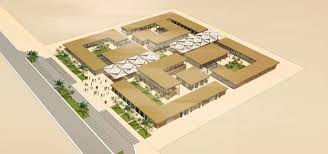
The architectural plan marketplace is transforming how architects, builders, and homeowners access and share building designs. These digital platforms act as online hubs where professional designers can upload, sell, or license their blueprints—while customers can browse, compare, and purchase plans that fit their specific needs. From residential floor plans to commercial layouts, the architectural plan marketplace bridges creativity, technology, and global collaboration like never before.
What Is an Architectural Plan Marketplace?
An architectural plan marketplace is an online platform where users can buy and sell professional building plans in digital formats such as PDF, CAD, or Revit files. These marketplaces serve as digital storefronts for architects, engineers, and designers to showcase their work and reach clients worldwide.
Common features include:
- Extensive Plan Libraries – Ranging from modern homes to commercial complexes.
- Instant Downloads – Access to ready-to-use plans immediately after purchase.
- Customization Options – Many sellers offer design adjustments upon request.
- User Ratings and Reviews – Helping buyers choose trusted designers.
- Secure Payments and Licensing – Ensuring safe transactions for both parties.
Benefits of Using an Architectural Plan Marketplace
- Global Access – Connects clients with architects from different regions.
- Cost-Effective Designs – Offers affordable pre-made plans compared to custom design services.
- Variety of Styles – Choose from modern, traditional, eco-friendly, or luxury concepts.
- Instant Delivery – Download professional plans within minutes.
- Designer Visibility – Allows architects to earn income and grow their brand globally.
The rise of the architectural plan marketplace marks a significant evolution in the design and construction industry. These platforms have redefined how architectural ideas are shared, purchased, and implemented—offering accessibility, affordability, and innovation all in one place. For homeowners and builders, marketplaces eliminate traditional barriers by providing a wide range of pre-designed, ready-to-use plans available for instant download.
Architects benefit immensely from these digital ecosystems. Instead of relying solely on local clients, professionals can now sell their plans globally, gaining exposure and revenue from a diverse customer base. This global reach encourages creativity and competition, leading to higher design quality and better customer satisfaction. For many independent architects, the marketplace model also offers a new way to monetize their portfolio without the administrative workload of managing one-on-one projects.
From the buyer’s perspective, the convenience is unmatched. With just a few clicks, anyone can explore hundreds of residential, commercial, and landscape design plans—complete with images, 3D renderings, and technical specifications. The availability of digital formats like PDFs and CAD files makes customization easy, allowing builders to modify layouts to match specific site conditions, building codes, or aesthetic preferences. This flexibility saves both time and cost, accelerating the journey from idea to construction.
Moreover, architectural plan marketplaces promote sustainability and efficiency. Digital transactions reduce the need for printed blueprints and travel meetings, cutting waste and carbon emissions. They also foster collaboration by connecting architects, engineers, and clients through shared digital files and cloud-based design tools.
Security and licensing are integral to these platforms as well. Most marketplaces ensure proper intellectual property protection for designers and verified purchase records for buyers, creating a safe and professional environment for all parties involved.
In essence, the architectural plan marketplace is not just an online store—it’s a global design community. It democratizes access to professional architecture, making it possible for anyone, anywhere, to build with style, precision, and confidence. As digital technology continues to evolve, these marketplaces will remain at the forefront of architectural innovation—linking creativity with practicality and empowering the future of design.
