
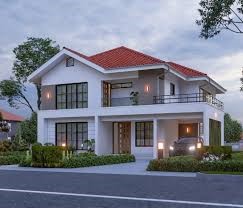
Residential architectural design is the art and science of creating homes that are both beautiful and functional. It focuses on how people live, move, and interact within spaces, ensuring that every design reflects comfort, efficiency, and personal style. Whether it’s a cozy family house, a modern apartment, or a luxury villa, residential architectural designs shape the way we experience daily life.
Today’s homeowners expect more than just walls and roofs; they seek spaces that express individuality, embrace sustainability, and offer flexibility for changing lifestyles. Residential architecture delivers this through thoughtful layouts, natural lighting, modern materials, and innovative use of space.
Features of Modern Residential Architectural Designs
Functional Floor Layouts:
Well-organized plans that maximize space and promote easy movement within the home.
Sustainable Design:
Energy-efficient systems, natural ventilation, and eco-friendly materials that reduce environmental impact.
Personalized Style:
Designs tailored to reflect personal taste, from minimalist to contemporary and classic.
Technology Integration:
Smart home systems for lighting, security, and temperature control.
Indoor-Outdoor Flow:
Large windows, terraces, and open courtyards that connect the interior with nature.
Residential architectural designs form the foundation of how people live, connect, and experience comfort within their homes. They go beyond aesthetics, focusing on how every square foot can serve a purpose, enhance lifestyle, and adapt to future needs. A well-designed home is more than a structure; it’s a reflection of who you are and how you want to live.
The essence of modern residential design lies in its ability to blend functionality with creativity. Each plan is carefully crafted to make the best use of space while maintaining a strong sense of style. Open-concept layouts allow families to interact more freely, while private corners ensure peace and relaxation. Designers balance light, airflow, and proportion to create homes that feel spacious, inviting, and practical.
Another key aspect is sustainability. Modern residential architecture embraces eco-friendly practices, from solar panels and rainwater harvesting systems to the use of natural materials like wood, bamboo, and stone. These elements not only lower energy consumption but also create a healthier living environment. Sustainability has evolved from being an option to a necessity, and architects today design homes that respect both people and the planet.
Technology also plays a vital role in transforming residential spaces. Smart home features allow residents to control lighting, climate, and security from their smartphones, enhancing convenience and safety. Digital design tools, such as 3D modeling and virtual tours, now allow clients to visualize their homes before construction begins, bridging the gap between imagination and reality.
From small, affordable homes to luxury residences, residential architectural designs can be customized to match any lifestyle or budget. Architects work closely with clients to ensure every detail , from the kitchen layout to the choice of materials- aligns with their vision. The result is a personalized living space that feels both functional and timeless.
In essence, residential architectural design is about creating harmony between people and the spaces they inhabit. It shapes communities, influences well-being, and defines how we experience comfort. Whether you’re building a first home, upgrading your family house, or developing a modern apartment, thoughtful design ensures that your living space is as beautiful as it is practical , a true reflection of modern living.
